

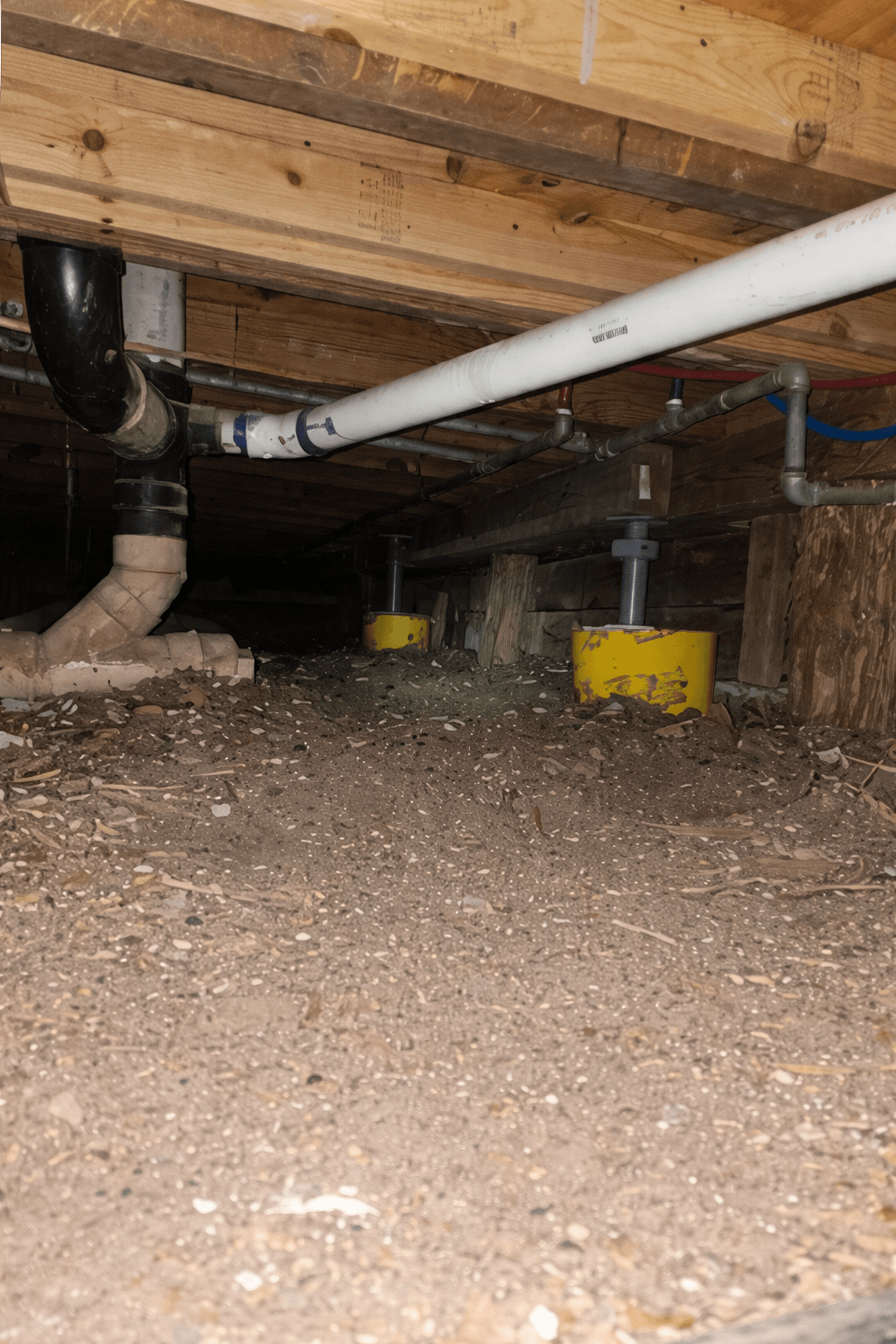
Why San Antonio Homes Show These Signs Much of Bexar County sits on gray-to-black cracking clay with high shrink-swell potential. It swells when wet and shrinks as it dries, and it rarely does either evenly under a house. San Antonio's weather drives that cycle hard. The city averages about 32 inches of rain a year, but 2022 brought only 11.51 inches, its second-driest year on record, and 2023 logged a record 75 days at 100°F or hotter. Long dry stretches followed by heavy storms are when these warning signs tend to appear.
Structural foundation damage can lead to serious and costly problems if not identified early. Your foundation supports the entire structure of your home, so even small issues can quickly develop into major concerns if left untreated.
Visible Wall Cracks
Cracks in interior or exterior walls are one of the most noticeable warning signs of foundation damage. While small hairline cracks can be normal, larger cracks—especially horizontal or stair-step cracks—may indicate significant structural movement.
These types of cracks often occur when the foundation shifts unevenly, placing stress on the walls. Over time, they can widen and lead to more extensive damage throughout the home.
Gaps Around Doors and Windows
As the foundation moves, it can cause door and window frames to become misaligned. This often results in visible gaps, difficulty opening or closing, or doors that no longer latch properly.
These issues are not just cosmetic—they can also affect your home's energy efficiency by allowing outside air to enter.
Uneven or Sloping Floors
Floors that appear uneven or feel sloped when you walk across them may be a sign that the foundation is settling improperly. This can happen when the soil beneath the home shifts or loses its ability to support the structure evenly.
In some cases, you may also notice bouncing or sagging areas, which should be inspected as soon as possible.
Separation Between Structural Elements
Gaps forming between walls, ceilings, or floors can indicate that different parts of your home are moving independently due to foundation instability. This type of separation is a strong sign that the issue may be more advanced.
Water Intrusion and Moisture Issues
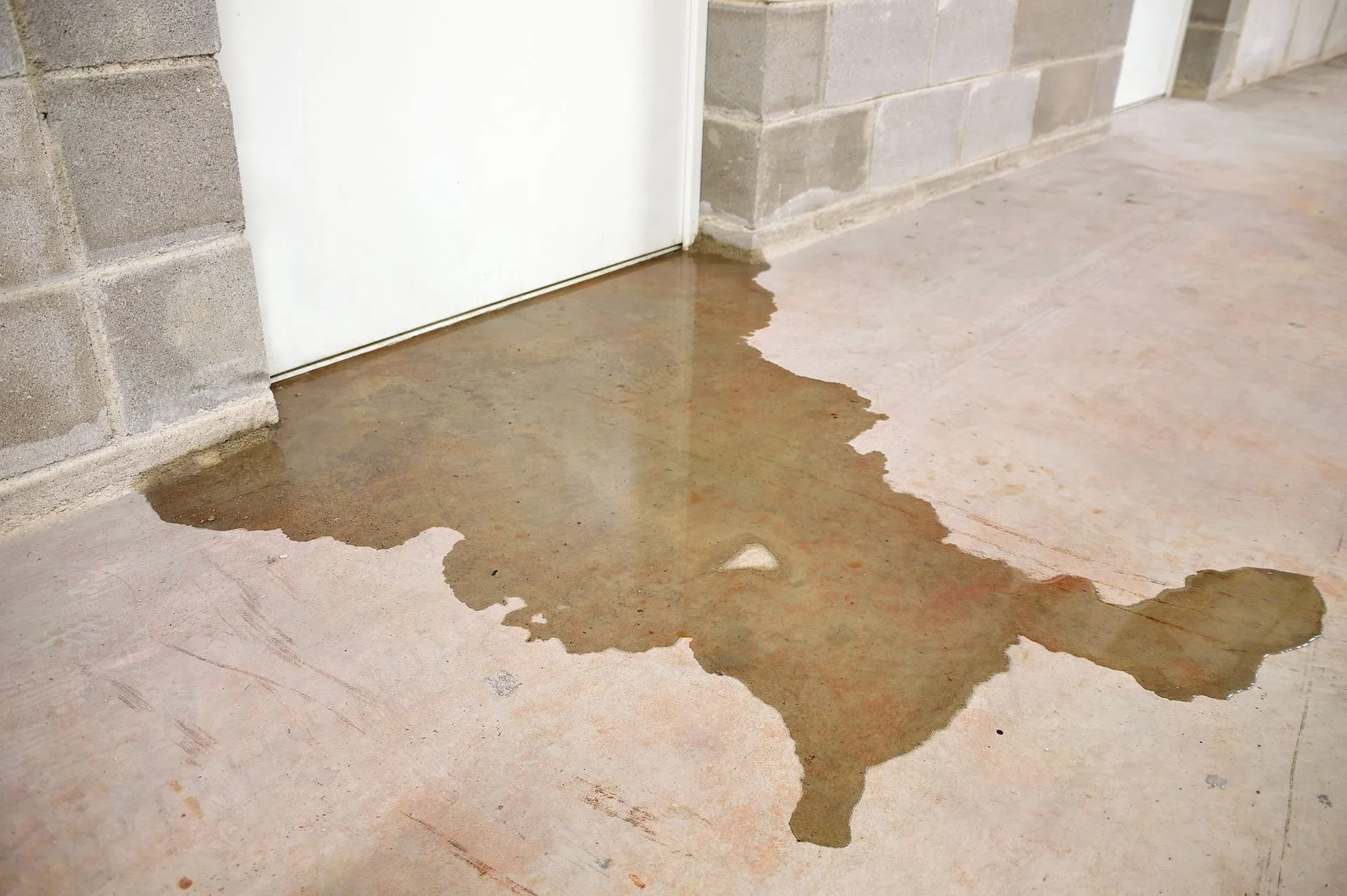
Excess moisture in basements or crawl spaces can weaken the foundation over time. Water intrusion may come from poor drainage, plumbing leaks, or cracks that allow water to seep into the structure.
Moisture problems not only affect the foundation but can also lead to mold growth and further damage if not addressed.
Recognising these warning signs early is key to preventing more extensive repairs. If you notice any combination of these issues, it’s important to seek a professional evaluation to determine the root cause and the most effective solution.
What's Warrantied
Foundation and drainage work at Foundations First carries different warranty terms depending on the specific repair, not one blanket number for everything we touch:
| Repair | Warranty |
|---|---|
| Helical Piles | Lifetime |
| Grouted Micropiles | Lifetime |
| Invisibeam | Lifetime |
| Waterproofing | Limited Lifetime* |
| Steel Adjustable Posts | 20 Years |
| Carbon Fiber Reinforcement | 20 Years |
| Steel Wall Braces | 20 Years |
| Deadman Wall Braces | 20 Years |
| Stem Wall Repairs | 20 Years |
| Shotcrete | 20 Years |
| Slab Repairs | 2 Years |
| Workmanship Warranty | Included on qualifying repairs |
*Sump pumps carry the manufacturer's 3-year warranty rather than our own term. All warranties are transferable to a future homeowner, and they apply as long as the associated invoice is paid in full. We'll walk through exactly what applies to your project during your no-cost estimate.
Key Takeaways
- Horizontal or stair-step wall cracks, doors and windows that stick or won't latch, sloping floors, and gaps between walls and ceilings are the most common signs of structural foundation movement; thin hairline cracks alone are often cosmetic.
- Most structural foundation damage in Bexar County traces back to its gray-to-black cracking clay soils, which the Handbook of Texas describes as having high shrink-swell potential.
- Natural expansive clay soils can swell to about 1.5 times their dry volume, according to the Colorado Geological Survey, and that movement is uneven under a slab.
- San Antonio's weather keeps the clay cycling: the city averages 32.38 inches of rain a year (1991–2020 normal), yet 2022 was its second-driest year on record at 11.51 inches.
- Warning signs often show up after heat and drought, and 2023 set San Antonio's record for 100°F days, with 75.
- Separation between walls, ceilings and floors usually means the problem is more advanced and should be evaluated before it spreads.

0 Comments