

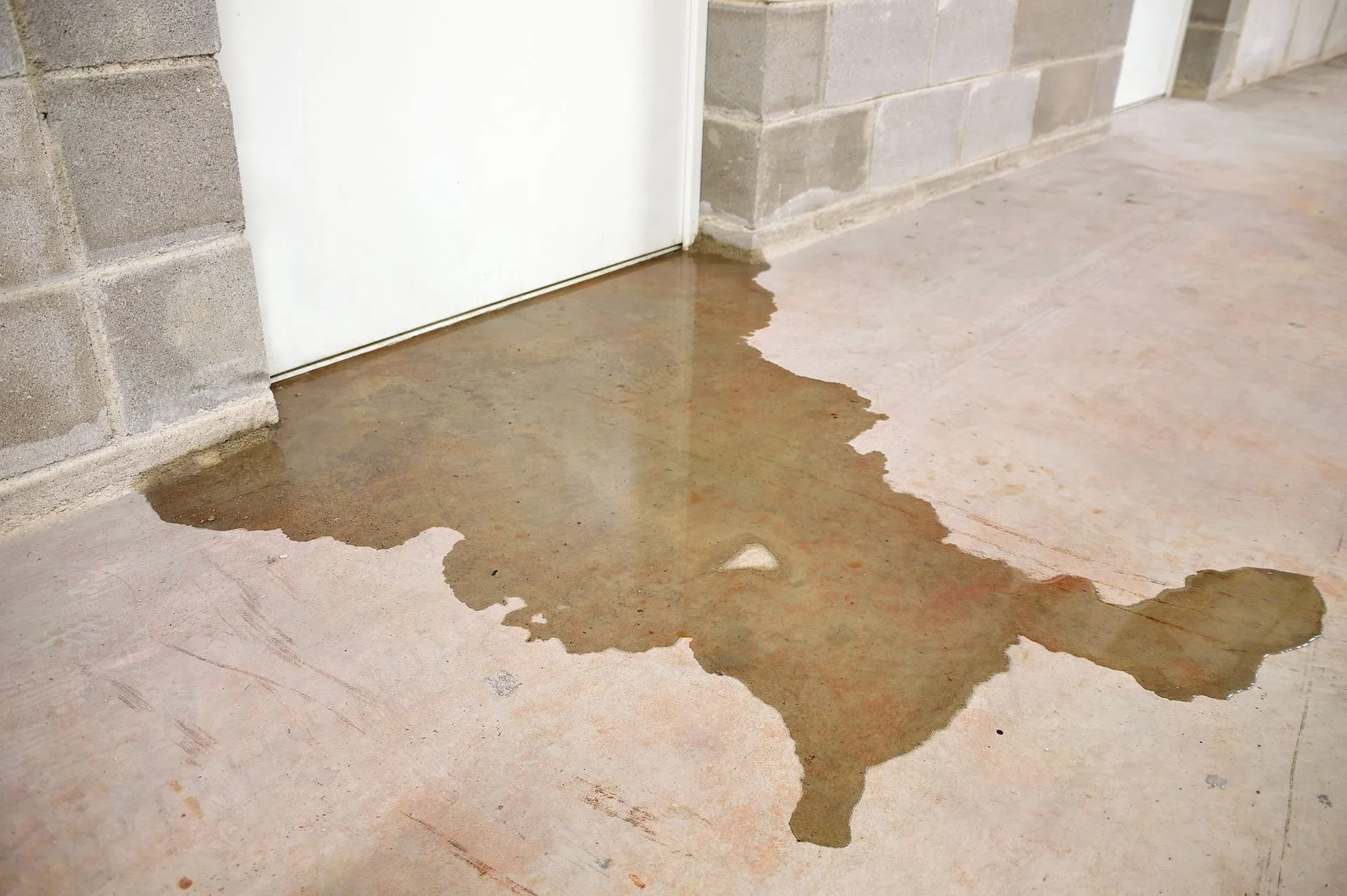
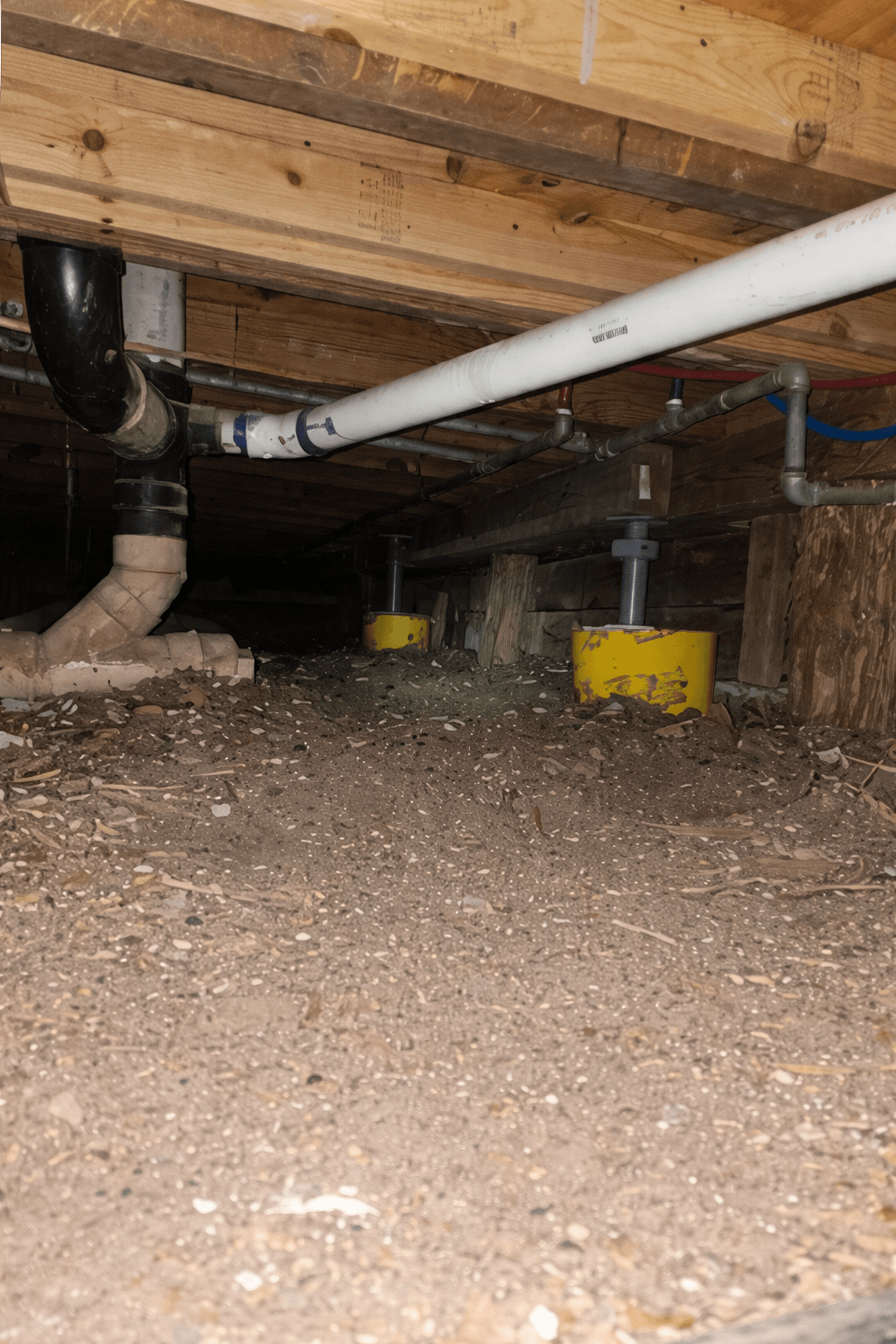
Most San Antonio homes don't have basements. According to NAHB, 97.9% of new homes in Texas's Census region were built on slabs in 2024. If you're reading this without a basement, the same rules apply to water collecting at your slab edge or under a pier-and-beam home.
Basement leaks are often seen as minor inconveniences, but they can quickly lead to major structural damage if left unaddressed. For homeowners, understanding how to prevent leaks and protect the integrity of the home's base is essential. With a few preventative measures and timely maintenance, it's possible to keep your basement dry and your foundation strong for decades.
Identify the Source of Basement Leaks
The first step in preventing foundation issues is identifying where the water is coming from. Common sources include cracks in the basement walls, poor exterior drainage, or hydrostatic pressure pushing water through the concrete. Even small leaks can signal a bigger issue beneath the surface. Addressing these signs early can prevent the need for extensive foundation repair later. Homeowners should regularly inspect their basements after heavy rainfall, checking for damp spots, musty odors, or visible cracks.
Maintain Proper Drainage Around the Home
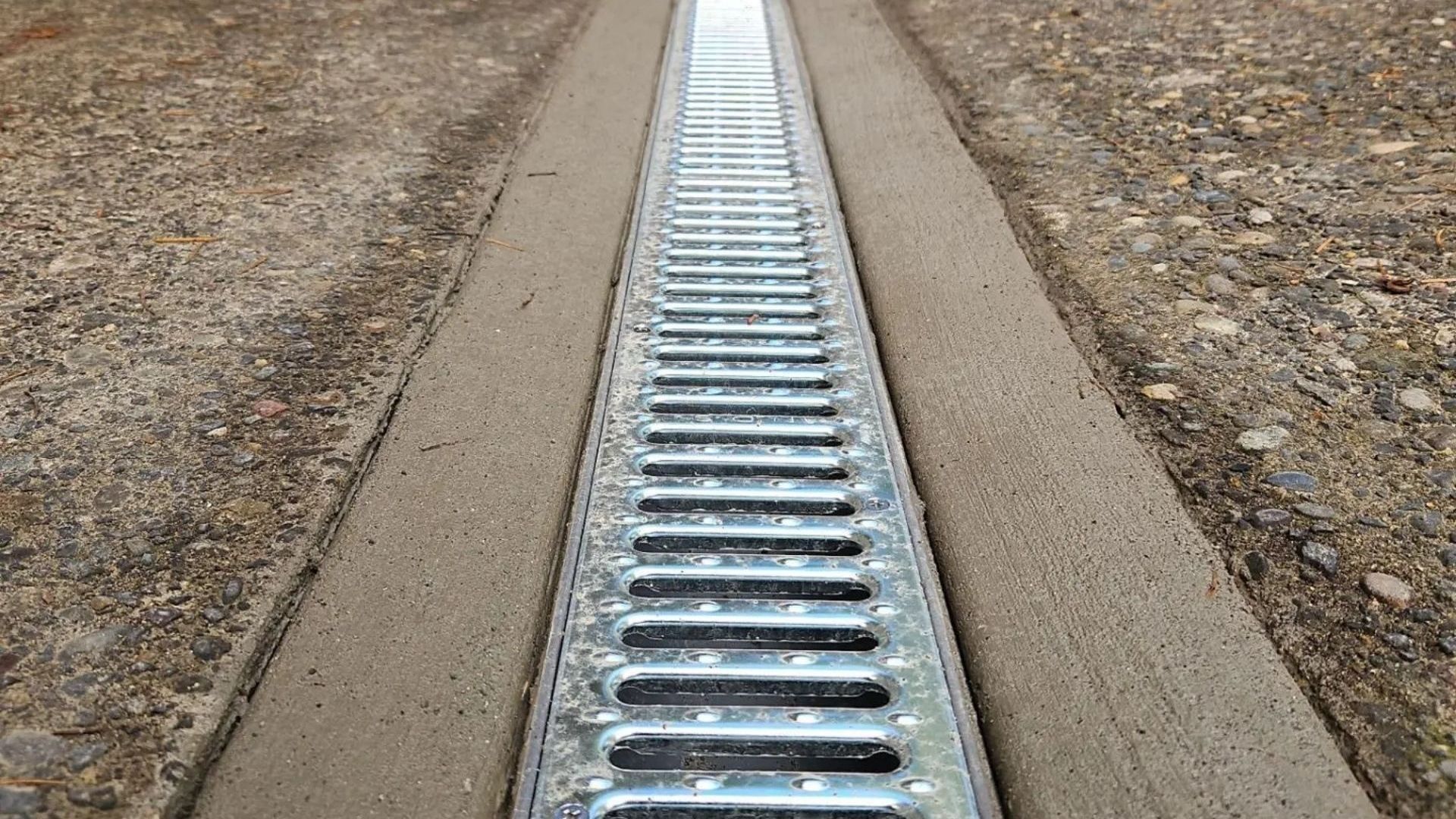
Poor drainage is one of the leading causes of basement leaks and foundation damage. Gutters and downspouts should direct water at least six feet away from the home's perimeter to prevent pooling near the foundation. Additionally, ensuring the yard slopes away from the structure helps reduce water infiltration. Installing a French drain or sump pump can further safeguard your basement from excess moisture. Proactive drainage maintenance not only prevents leaks but also reduces long-term repair costs associated with water damage.
Seal and Waterproof Basement Walls
Waterproofing the basement is a crucial step in keeping moisture at bay. Applying sealant to interior walls and repairing exterior cracks with professional-grade materials can significantly reduce water intrusion. In some cases, a full waterproofing system that includes both interior and exterior barriers may be necessary. A professional foundation repair company can assess your home and recommend the best approach for long-lasting protection.
Basement leaks may start small, but ignoring them can lead to serious structural issues and costly foundation repair. According to Bob Vila, a concrete foundation can last up to 100 years or longer with solid construction and good maintenance. By identifying leaks early, maintaining proper drainage, and investing in quality waterproofing, homeowners can extend the life of their foundation and preserve the stability of their entire home. For expert inspections and trusted solutions, contact Foundations First Texas today—your local specialists in keeping homes dry, stable, and secure.
What's Warrantied
Foundation and drainage work at Foundations First carries different warranty terms depending on the specific repair, not one blanket number for everything we touch:
| Repair | Warranty |
|---|---|
| Helical Piles | Lifetime |
| Grouted Micropiles | Lifetime |
| Invisibeam | Lifetime |
| Waterproofing | Limited Lifetime* |
| Steel Adjustable Posts | 20 Years |
| Carbon Fiber Reinforcement | 20 Years |
| Steel Wall Braces | 20 Years |
| Deadman Wall Braces | 20 Years |
| Stem Wall Repairs | 20 Years |
| Shotcrete | 20 Years |
| Slab Repairs | 2 Years |
| Workmanship Warranty | Included on qualifying repairs |
*Sump pumps carry the manufacturer's 3-year warranty rather than our own term. All warranties are transferable to a future homeowner, and they apply as long as the associated invoice is paid in full. We'll walk through exactly what applies to your project during your no-cost estimate.
Key Takeaways:
- Basements are rare in Texas: 97.9% of new single-family homes in the West South Central region (Texas, Oklahoma, Arkansas, Louisiana) were built on slabs in 2024, per NAHB analysis of Census data.
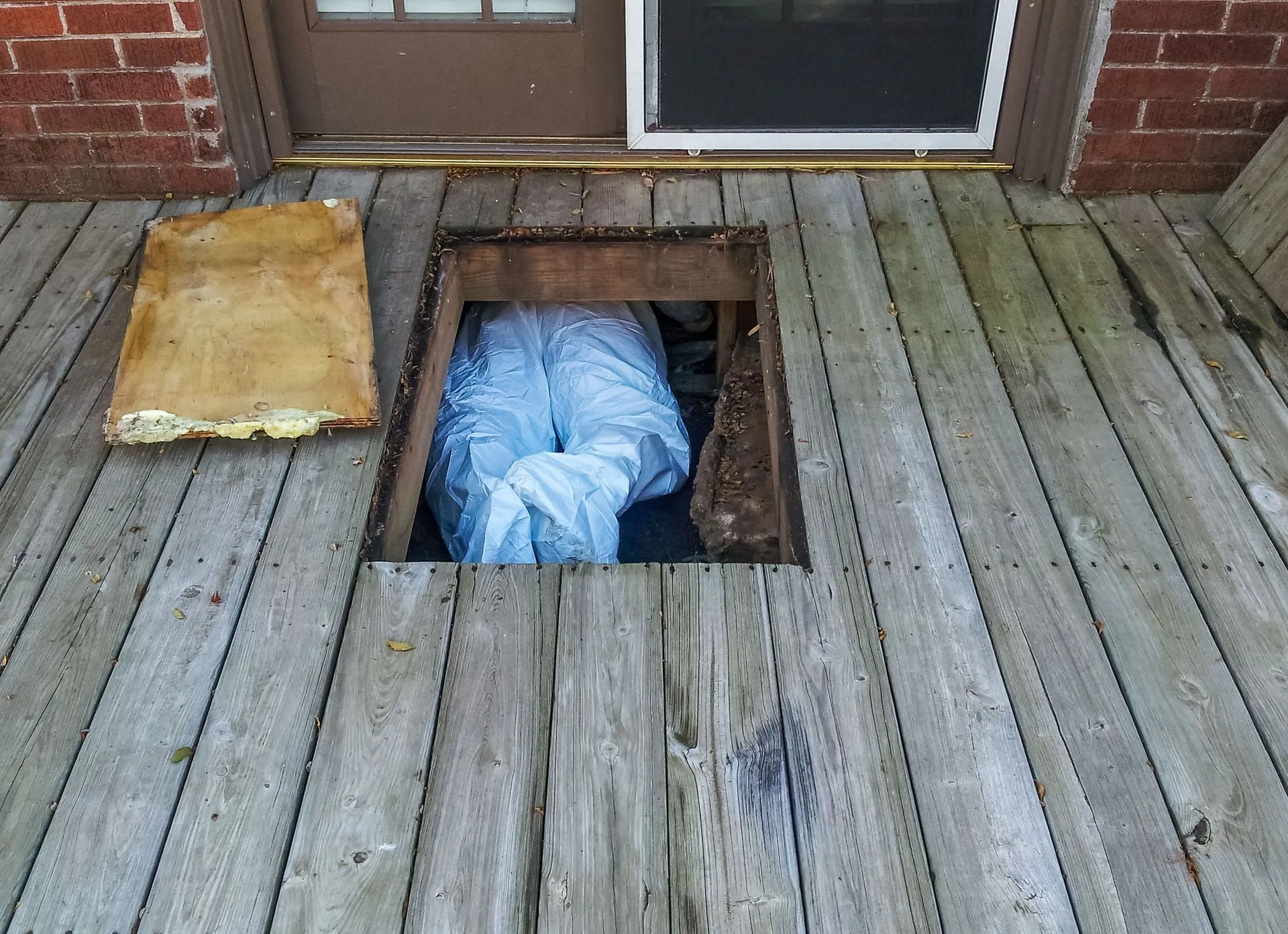
- In San Antonio, the same water problems show up as moisture at the slab edge or standing water in a pier-and-beam crawl space, and they damage foundations the same way.
- The International Residential Code, which the City of San Antonio adopts, requires ground to fall at least 6 inches within the first 10 feet away from foundation walls.
- Where expansive soils exist, the code requires roof runoff to discharge at least 5 feet from foundation walls; extending downspouts 6 feet or more adds margin.
- Texas Section ASCE repair guidelines say downspouts should extend past the foundation edge and past abutting planting beds into well-drained areas.
- Find the water source first: wall cracks, poor exterior drainage and hydrostatic pressure each need a different fix.

0 Comments