

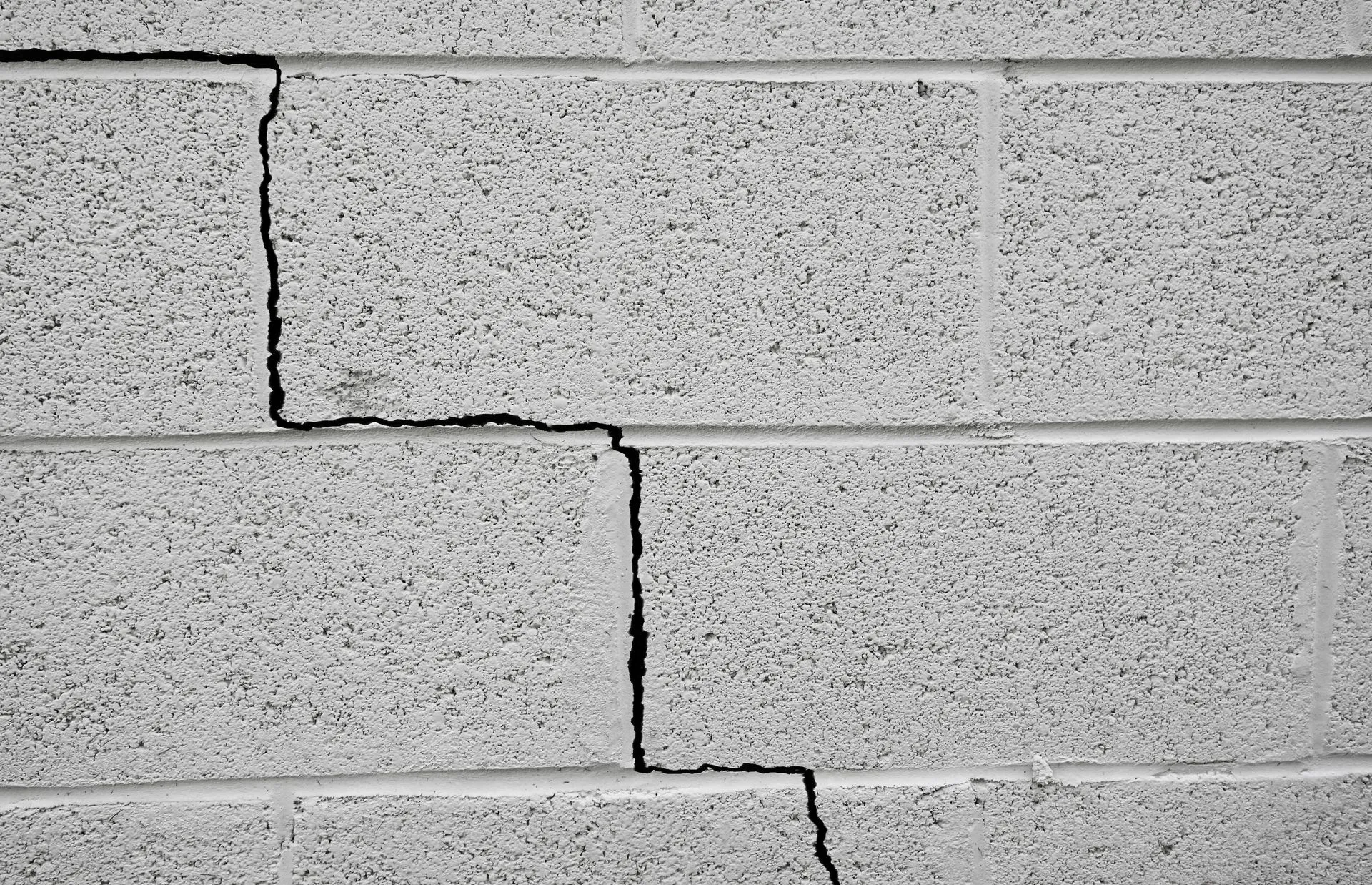
The foundation of your home is crucial to its overall structural integrity. When issues arise, it can lead to a cascade of problems that become more serious and costly if not addressed immediately. Many homeowners may be tempted to postpone a foundation repair due to financial concerns or a lack of immediate symptoms. However, any delay can exacerbate the situation, turning a manageable issue into a major renovation project. Here's why you should never delay foundation repairs.
1. Costly Repairs with Delayed Foundation Work
First and foremost, delaying foundation repairs can substantially increase the cost of repairs down the line. Foundation issues don't resolve themselves; they worsen over time, affecting other parts of the home, such as walls and floors. Postponing these repairs can inflate costs, as complications multiply when the foundation is left unattended. The longer you wait, the more you risk compromising the overall structural integrity of your home, making early intervention even more crucial.
2. Prevention of Indoor Safety Hazards
Another critical reason to prioritize foundation repairs promptly is the prevention of indoor safety hazards. As foundation problems progress, they can lead to uneven floors, cracks in walls, and misaligned doors and windows. These symptoms not only degrade the appearance of your living space but also pose genuine safety risks. Uneven floors can cause trips and falls, while cracked walls can become entry points for moisture and pests, further deteriorating your home’s condition.
3. Negative Impact on Resale Value
Finally, delaying foundation repairs can severely impact the resale value of your home. Potential buyers are often hesitant to invest in a house with known structural issues. Even if they consider purchasing, they'll likely demand significant price reductions to cover the anticipated repair work. According to FMI, the global foundation repair services market saw steady growth from 2020 to 2024 with an overall annual gain of 3.5% during that timeframe, highlighting the importance of addressing foundation issues promptly. Prospective buyers want to see that the house has been well-maintained, making it a more attractive investment and ensuring you receive a fair market value.
What's Warrantied
Foundation and drainage work at Foundations First carries different warranty terms depending on the specific repair, not one blanket number for everything we touch:
| Repair | Warranty |
|---|---|
| Helical Piles | Lifetime |
| Grouted Micropiles | Lifetime |
| Invisibeam | Lifetime |
| Waterproofing | Limited Lifetime* |
| Steel Adjustable Posts | 20 Years |
| Carbon Fiber Reinforcement | 20 Years |
| Steel Wall Braces | 20 Years |
| Deadman Wall Braces | 20 Years |
| Stem Wall Repairs | 20 Years |
| Shotcrete | 20 Years |
| Slab Repairs | 2 Years |
| Workmanship Warranty | Included on qualifying repairs |
*Sump pumps carry the manufacturer's 3-year warranty rather than our own term. All warranties are transferable to a future homeowner, and they apply as long as the associated invoice is paid in full. We'll walk through exactly what applies to your project during your no-cost estimate.
Delaying a foundation repair service is never advisable. The longer you wait, the more expensive and complex the repairs become. Additionally, ignoring these issues can lead to safety hazards and reduce your home's resale value. By addressing foundation problems as soon as they arise, you can maintain the integrity of your home and avoid more significant headaches in the future. Call us at Foundations First Texas today to learn more about our services!
Key Takeaways:
- Foundation problems don't resolve on their own; the longer movement continues, the more it spreads to walls, floors, doors and windows.
- In San Antonio the clay under a home keeps cycling every year: the city averages 122 days at 90°F or hotter, and its wettest months are May, September and October.
- Uneven floors are a trip hazard, and cracked walls let in moisture and pests, so delay adds safety problems on top of structural ones.
- Texas home sellers must disclose known defects in the foundation or slab on the seller's disclosure notice required by Texas Property Code §5.008, which also asks about previous structural repairs.
- Texas home inspectors must give buyers a written opinion on foundation performance and report visible signs of movement such as binding doors and sloping floors (TREC standards, 22 TAC §535.228).
- A documented repair with a transferable warranty gives the next buyer written proof the problem was fixed and covered.

0 Comments